
Discover the Baltic States: 5 Places You Can’t Miss
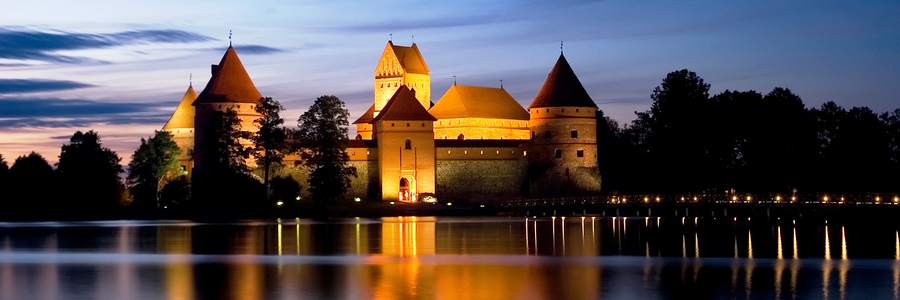
The Baltic region – made up of Estonia, Latvia, and Lithuania – is one of Europe’s most intriguing and underrated destinations. Rich in medieval architecture, untouched coastlines, vast forests, and resilient cultural identities, the Baltics offer far more than just post-Soviet nostalgia. If you’re planning a trip to Northern Europe, here are five must-visit places that reveal the true soul of the Baltic States – places that will linger in your memory long after you return home.
1. Tallinn Old Town, Estonia
Tallinn’s Old Town feels like stepping into a medieval fairy tale. Cobbled streets, pastel houses, and ancient towers create a timeless atmosphere that blends Northern charm with a touch of mystery. A UNESCO World Heritage site, it showcases the city’s layered history under Danish, German, Swedish, and Russian influence.
Begin at the Town Hall Square, then climb Toompea Hill for panoramic views. Wander through the ancient walls and discover hidden cafes tucked behind centuries-old gates. Tallinn combines modern creativity with historical authenticity – where high-tech start-ups meet 14th-century courtyards.
In the evening, when warm lights reflect off the cobblestones and street musicians play softly in the background, it’s easy to see why Tallinn has become one of Europe’s most romantic cities.
2. Hill of Crosses, Lithuania
Located near the town of Šiauliai, the Hill of Crosses is one of the most powerful symbols of Lithuanian identity and faith. The site, covered with more than 100,000 crosses, began as a local tradition of devotion and resistance. During the Soviet era, placing a cross here was an act of quiet defiance, a reminder that faith and freedom can survive even in the darkest times.
Walking among the crosses is a deeply emotional experience. The silence, the wind rustling through rosaries, and the glimmer of metal under sunlight create an atmosphere of peace and reflection. The Hill of Crosses is not only a religious landmark but also a monument to human endurance and hope.
3. Curonian Spit, Lithuania
Stretching nearly 100 kilometers between Lithuania and Russia, the Curonian Spit is a stunning natural wonder – a narrow strip of sand dunes separating the Curonian Lagoon from the Baltic Sea. It’s a UNESCO-protected area famous for its shifting dunes, dense pine forests, and small fishing villages like Nida, where time seems to slow down.
The “Hill of Witches,” an outdoor sculpture trail inspired by Baltic folklore, adds a mythical touch to the landscape. You can cycle along forest paths, spot migratory birds, or simply enjoy the silence of nature. The Curonian Spit is where the sea meets serenity – a place that feels both wild and peaceful at once.
4. Gauja National Park and Turaida Castle, Latvia
Known as the “Switzerland of Latvia,” Gauja National Park is the country’s largest and most beautiful natural area. Here, rolling hills, sandstone cliffs, and the winding Gauja River create postcard-perfect scenery. At the heart of the park stands Turaida Castle, a red-brick fortress overlooking the valley – a reminder of Latvia’s medieval heritage.
Visitors can explore hiking trails, caves, and small historic towns nearby. The park changes with every season: autumn brings golden forests, winter offers snow-covered vistas, and summer fills the air with the scent of pine. Gauja is not just a destination – it’s an invitation to reconnect with nature.
5. Palanga and Klaipėda Coast, Lithuania
On Lithuania’s Baltic coast, the twin destinations of Palanga and Klaipėda combine seaside relaxation with cultural heritage. Palanga’s long pier, botanical garden, and famous Amber Museum make it a favorite summer escape. Its beaches stretch endlessly, perfect for long walks and sunsets over the sea.
Klaipėda, the nearby port city, brings a touch of Hanseatic character with its historic buildings and maritime traditions. Together, the region forms a coastal corridor where sea breezes, forests, and folklore blend harmoniously.

Planning Your Baltic Adventure
Getting Around
The Baltic States are compact and easy to explore.
Excellent connections between major cities by buses, trains, and affordable car rentals.
A convenient 7-day travel route could look like this:
Tallinn → Riga → Gauja National Park → Vilnius → Hill of Crosses → Curonian Spit → Palanga.
Best Time to Visit
Late spring (May–June) and early autumn (September–October) – the best months for sightseeing: pleasant weather, fewer tourists, and long daylight hours.
Summer – ideal for beach lovers and cultural festivals.
Winter – transforms cities into magical snowy landscapes with cozy Christmas markets.
Local Culture and Cuisine
Estonia: rye bread, smoked fish, and fresh dairy products.
Latvia: creamy mushroom soups, wild berry desserts, and hearty meat stews.
Lithuania: potato dumplings (cepelinai), cold beetroot soup, and amber-colored craft beer.
In every country, locals take pride in their traditions and are always happy to share their food, folklore, and hospitality with visitors.