
What to Pack for Lapland: A Practical Travel Guide for Arctic Adventures
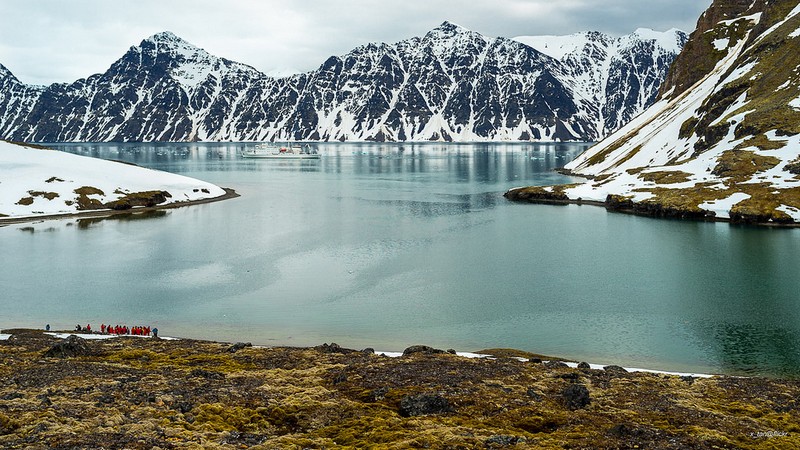
Traveling far north changes the way people think about packing. Lapland is not just another winter destination - it is an Arctic environment where comfort, safety, and adaptability matter more than trends or bulky suitcases. Whether your plans include chasing the Northern Lights, spending nights in remote lodges, or exploring snowy landscapes by day, preparation plays a central role in how enjoyable your trip will be. This Lapland travel guide focuses on what truly matters when preparing for an Arctic journey and helps turn uncertainty into confidence before you travel to Lapland.
Packing for Lapland is not about bringing more things; it is about bringing the right things. Weather can change quickly, daylight hours vary dramatically by season, and activities often take place outdoors for long stretches. The choices made before departure often determine whether the experience feels magical or uncomfortable. Understanding the environment is the first step toward packing smart for any Lapland travel itinerary.
Understanding Lapland’s Climate and Why Packing Matters
Lapland stretches across northern Finland, Sweden, and Norway, placing it well above the Arctic Circle. Winter temperatures regularly fall below zero, and even during shoulder seasons the air can feel sharp and dry. Cold alone is not the challenge - wind, snow, humidity, and long exposure times all contribute to how the body feels outdoors.
Unlike urban winter travel, outings in Lapland are often immersive and remote. A short walk may turn into hours outside, and returning indoors may not be immediate. Clothing and gear must support warmth without restricting movement, as activities such as snowshoeing, reindeer safaris, snowmobiling, or night photography are common.
A detailed Lapland travel guide emphasizes layering and adaptability over fashion. Items must work together rather than stand alone. Choosing versatile clothing reduces the need to overpack while still maintaining comfort across changing conditions.

Layering Strategy: The Core of Any Lapland Packing List
The key to staying warm in Lapland is not thick clothing, but a functional layering system. Each layer has a specific purpose, and when combined properly, they regulate body temperature efficiently.
Base Layers: Managing Moisture First
Base layers are worn directly against the skin and should prioritize moisture control rather than insulation. Materials such as merino wool or high-quality synthetic fabrics keep sweat away from the skin, preventing heat loss during periods of activity. Cotton should be avoided, as it retains moisture and accelerates cooling.
Mid Layers: Trapping Heat Without Bulk
Mid layers provide insulation by holding warm air close to the body. Fleece, lightweight down, or insulated synthetic jackets work well here. Multiple thin layers are preferable to one heavy garment, as they allow adjustments based on activity level.
Outer Layers: Protection From the Elements
Windproof and waterproof outer layers are essential in Lapland. A well-constructed shell jacket and pants protect from snow, wind, and sudden weather changes. Breathability matters just as much as insulation, preventing overheating during active excursions.
This layered approach remains central advice in every serious Lapland travel guide, allowing travelers to respond comfortably to both rest and movement throughout the day.
Essential Clothing and Gear for Arctic Conditions
Instead of long checklists filled with generic winter items, packing for Lapland should focus on function-specific essentials.
Key items include:
- Insulated winter boots rated for extreme cold, with room for thermal socks
- Wool or thermal socks, preferably several pairs
- Insulated gloves or mittens, with a thinner inner layer for flexibility
- A warm hat that covers ears fully
- A neck gaiter or scarf to protect exposed skin
- Thermal underwear sets appropriate for subzero temperatures
Quality footwear deserves special attention. Cold feet can shorten any excursion, regardless of enthusiasm. Boots should balance insulation with grip, as icy paths and packed snow are common.
For travelers planning photography or extended outdoor viewing of the Northern Lights, insulated accessories become especially valuable. Standing still outdoors for long periods requires more warmth than active sightseeing.
Travel Accessories That Improve Comfort and Safety
Beyond clothing, a few practical items can significantly improve daily comfort during a travel to Lapland experience.
Reusable hand warmers or foot warmers help maintain circulation during long outdoor sessions. A compact thermos allows hot drinks during excursions, adding both warmth and convenience. Polarized sunglasses are helpful even in winter, as sunlight reflecting off snow can be surprisingly intense.
Electronics require attention as well. Cold temperatures drain batteries faster, so extra power banks should be packed and kept warm inside clothing when possible. Camera equipment may also need protection from condensation when transitioning between outdoor cold and indoor warmth.
Another often overlooked item is skincare protection. Cold air and wind can cause dryness quickly, making a basic Arctic-friendly skincare routine an important part of packing.
Packing With Purpose: What You Do Not Need
One of the most effective strategies for Lapland travel is knowing what not to bring. Overpacking restricts mobility and complicates transitions between accommodations, especially in remote areas where transport may be limited.
Heavy fashion items, unnecessary duplicates, and non-functional outerwear rarely serve a purpose in Arctic travel. Many Lapland accommodations and tour operators provide specialized outer suits for certain activities, reducing the need to bring extreme cold gear for short excursions.
A good Lapland travel guide encourages thoughtful planning rather than maximum packing. Bring pieces that layer well, serve multiple conditions, and pack down easily for efficient storage.
Adapting Your Packing List to the Season and Itinerary
Lapland experiences dramatic seasonal differences, and packing should reflect the specific timing of the trip. Winter travel focuses heavily on insulation, while autumn and spring require more adaptability for fluctuating temperatures and mixed precipitation.
The itinerary matters just as much as the season. Travelers staying primarily in towns or resorts may need fewer technical items than those embarking on wilderness excursions or multi-day tours. Tailoring packing decisions to planned activities ensures a balance between preparedness and practicality.
When travelers travel to Lapland with a clear understanding of their activities, accommodations, and mobility needs, packing becomes a strategy rather than a guess.
Final Packing Insight for Lapland Travelers
Packing for Lapland is less about extremes and more about intelligent preparation. The Arctic rewards travelers who respect its conditions and arrive prepared to adapt. Thoughtful layering, functional accessories, and selective gear choices make the difference between simply enduring cold temperatures and truly enjoying the environment.
A reliable Lapland travel guide emphasizes comfort, safety, and mobility. When packing decisions align with these principles, Lapland reveals itself not as an intimidating destination, but as one of the most memorable landscapes a traveler can experience.